
Nanda Elemental Presale - (Ships by Nov. 30, 2026)
Nanda Elemental Presale - (Ships by Nov. 30, 2026)
**Free Shipping on all Elemental orders (of this batch) in the US!
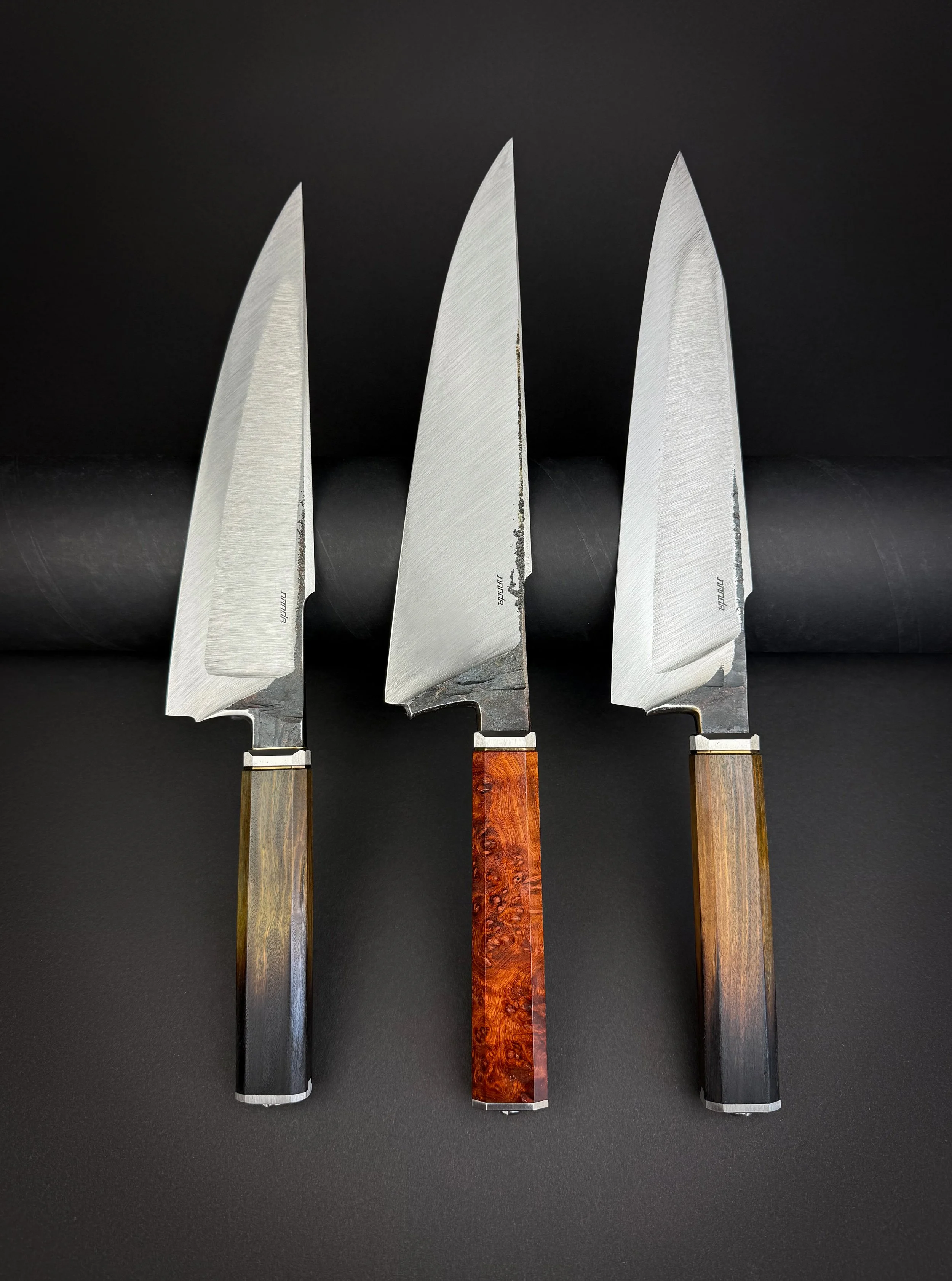
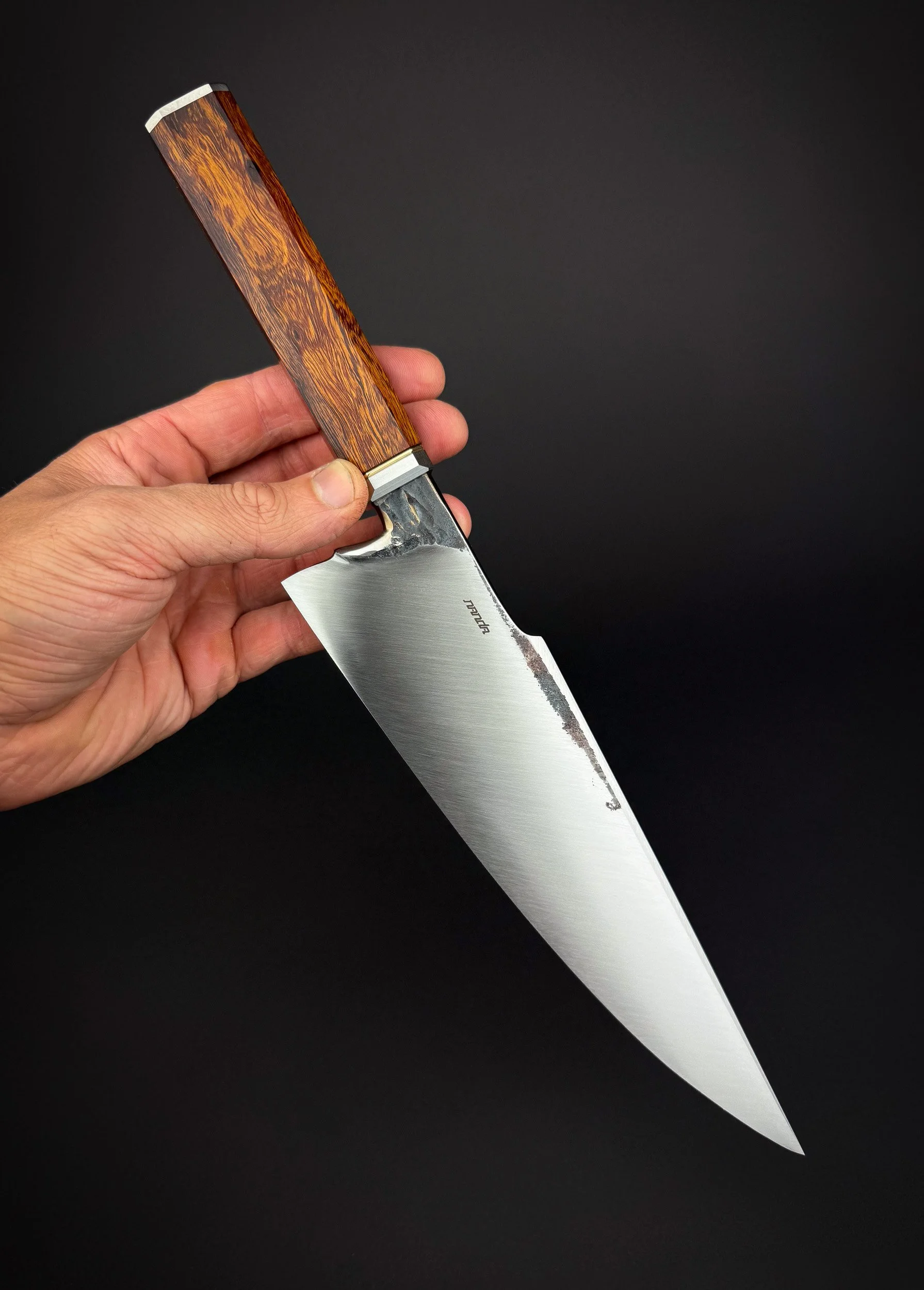
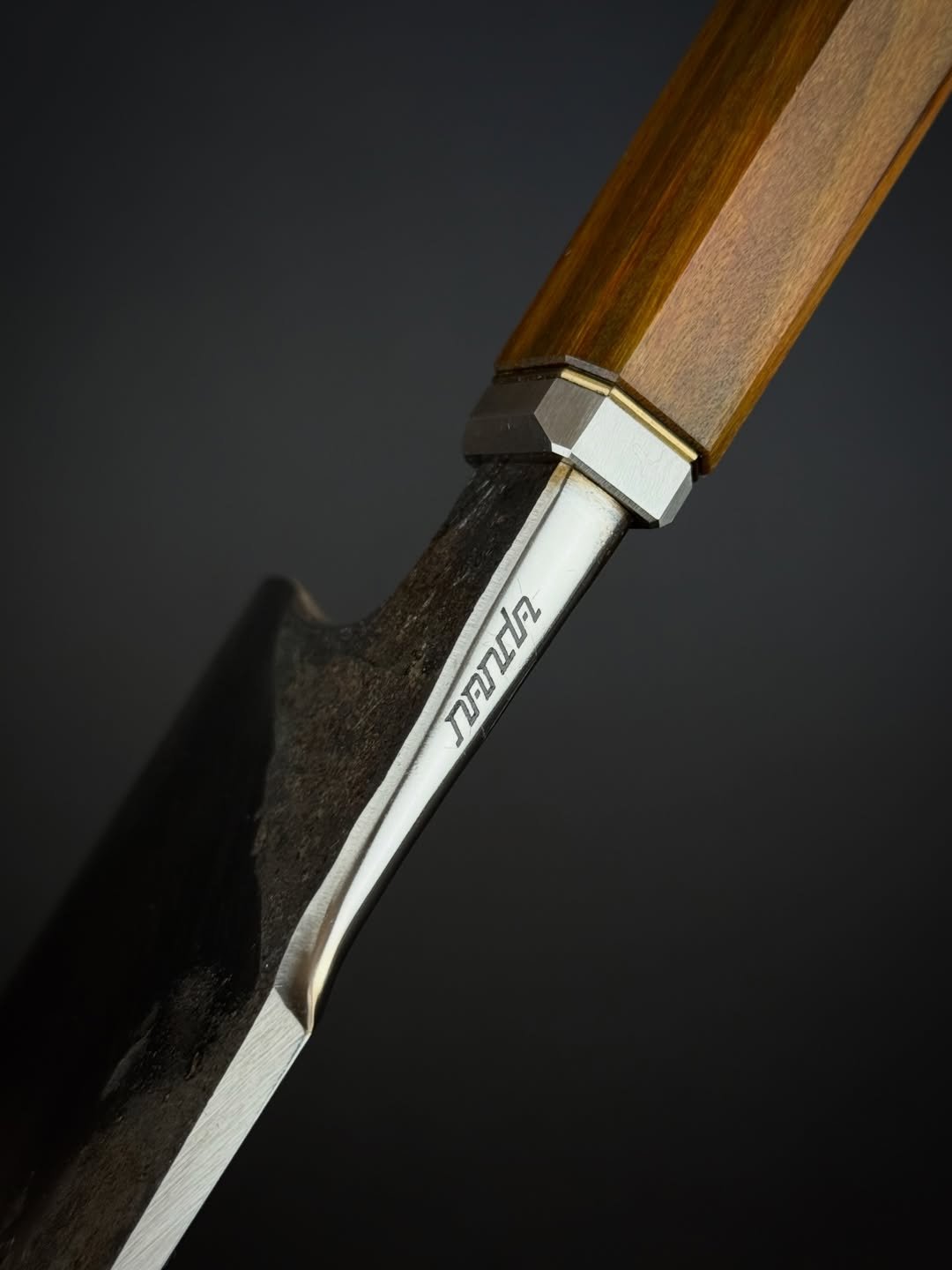
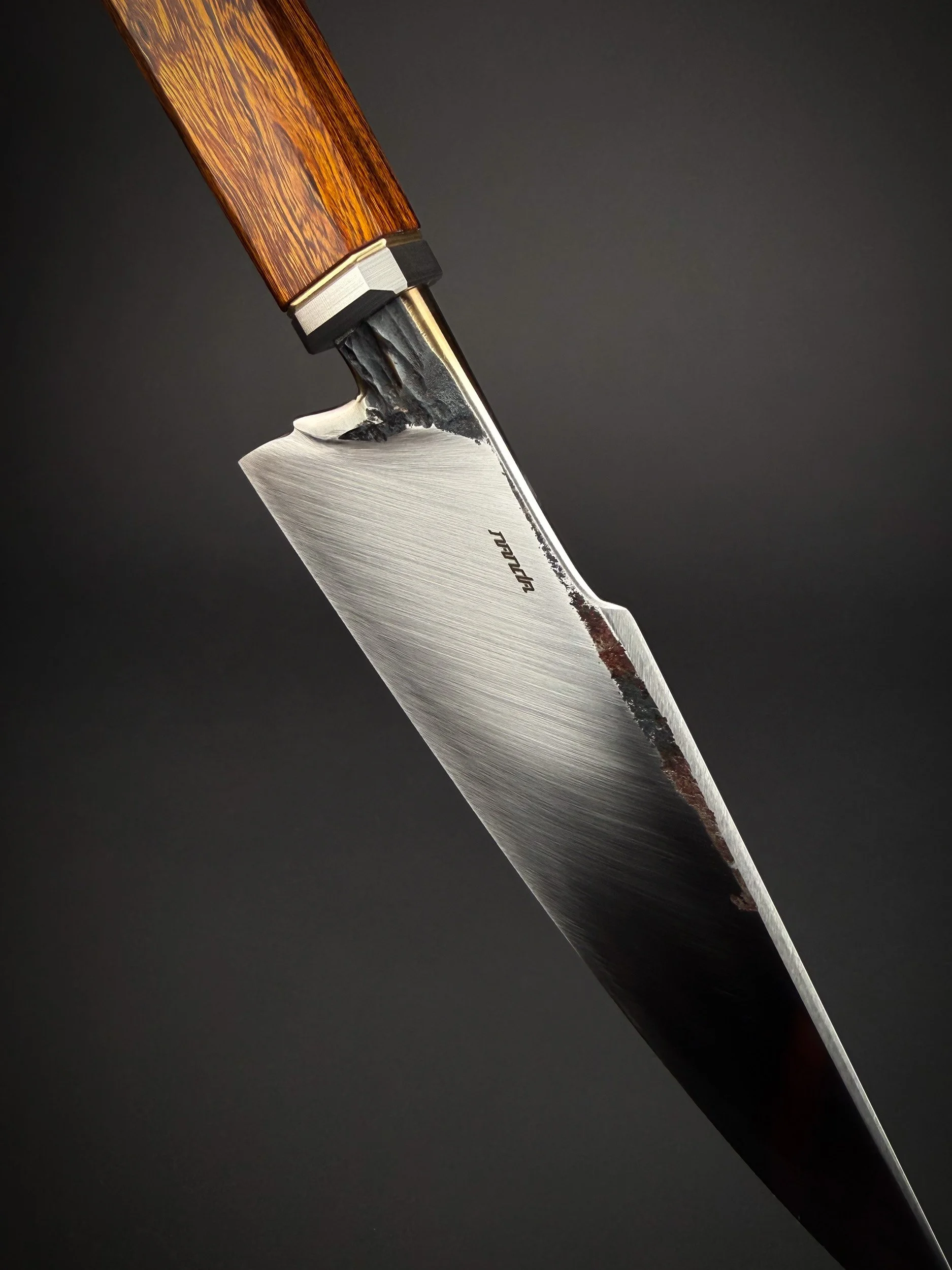
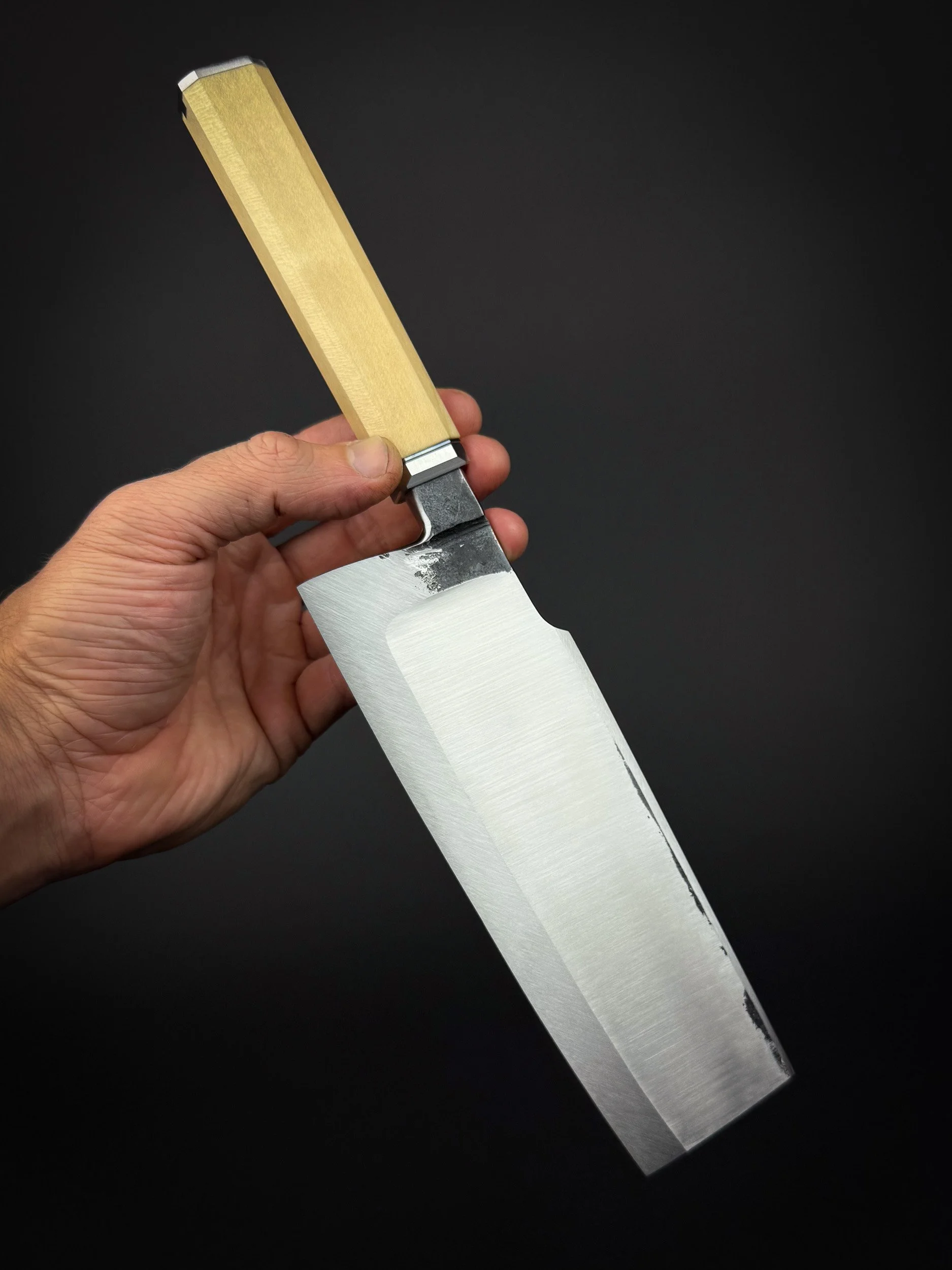
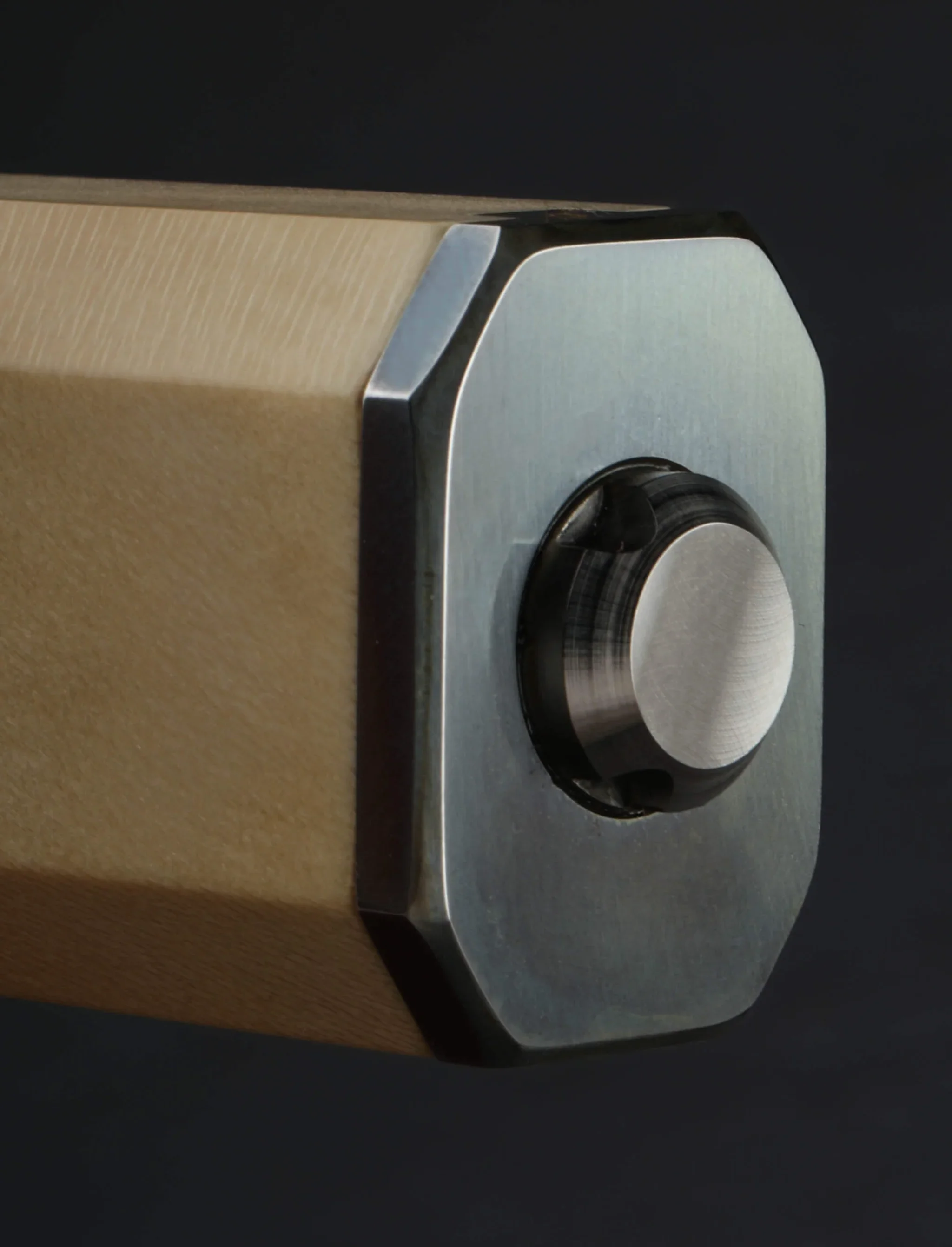
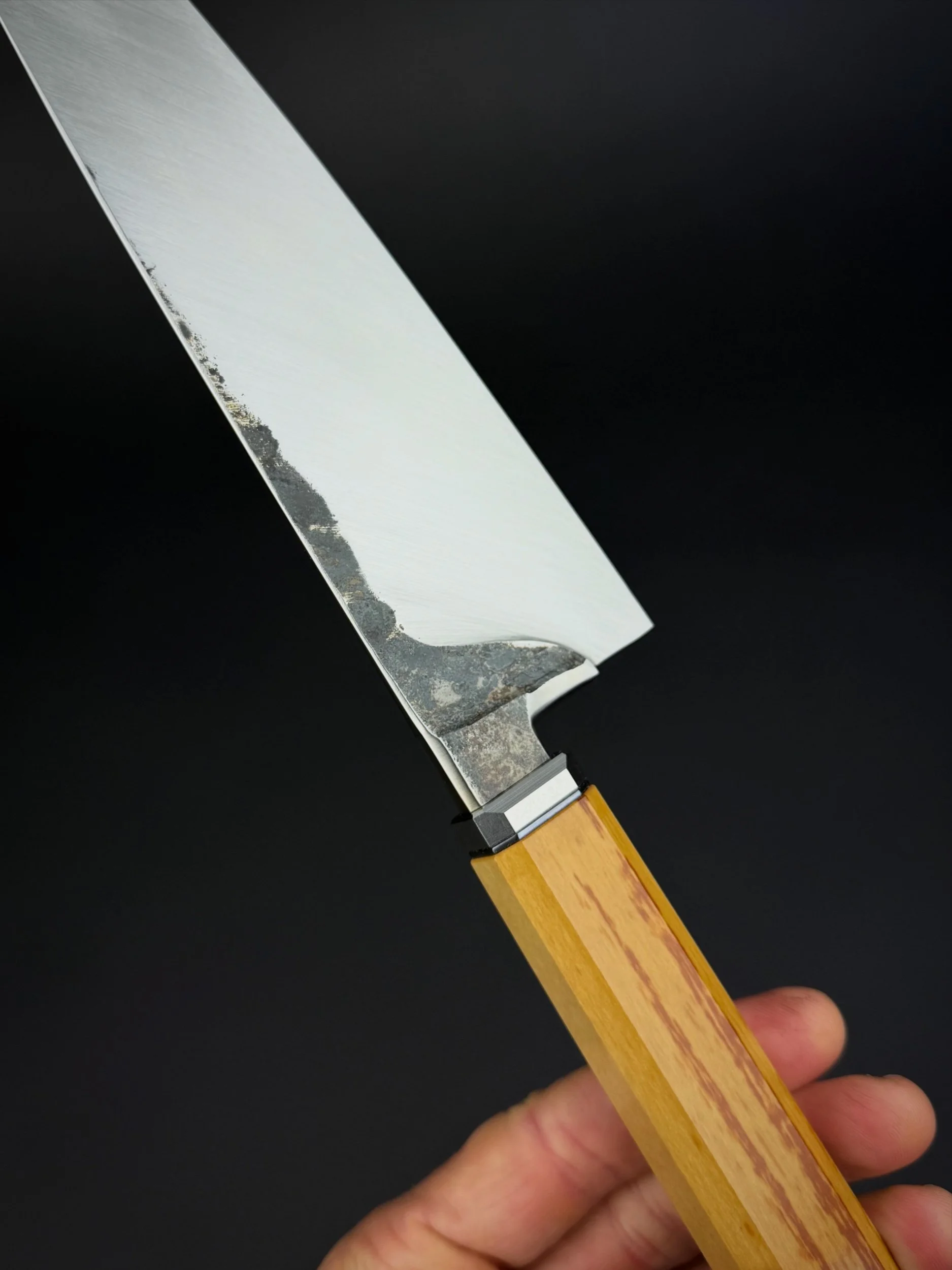
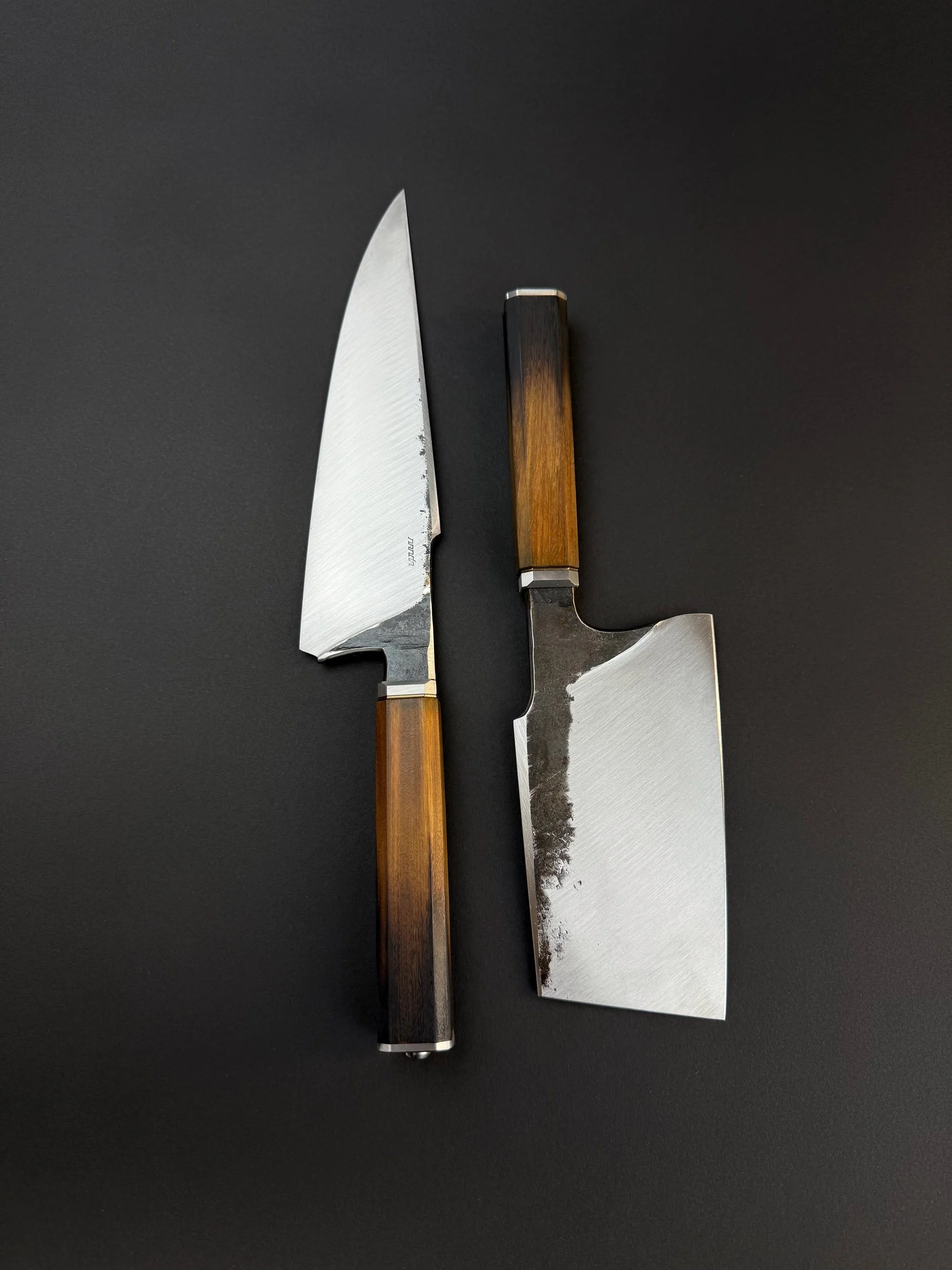
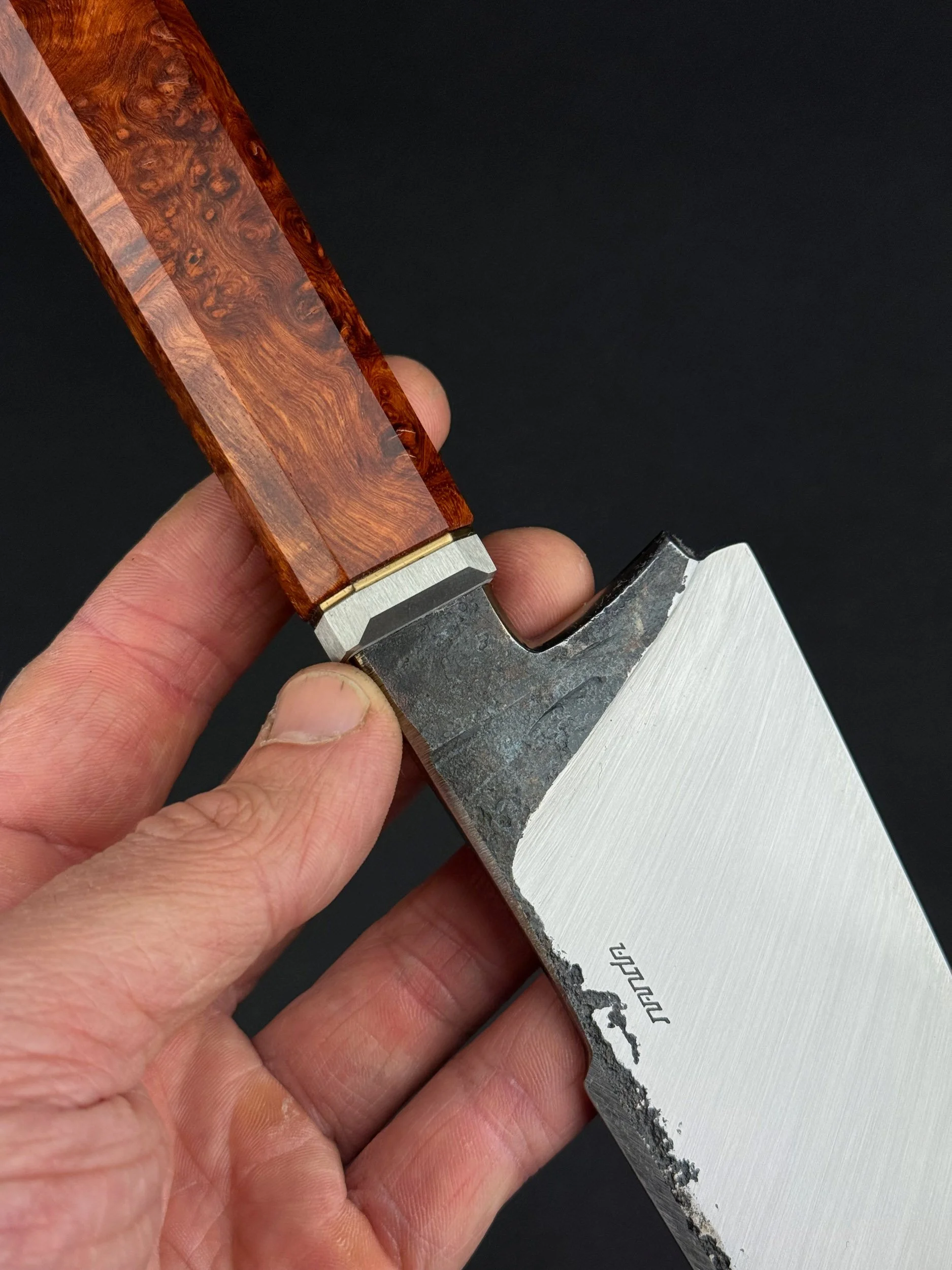
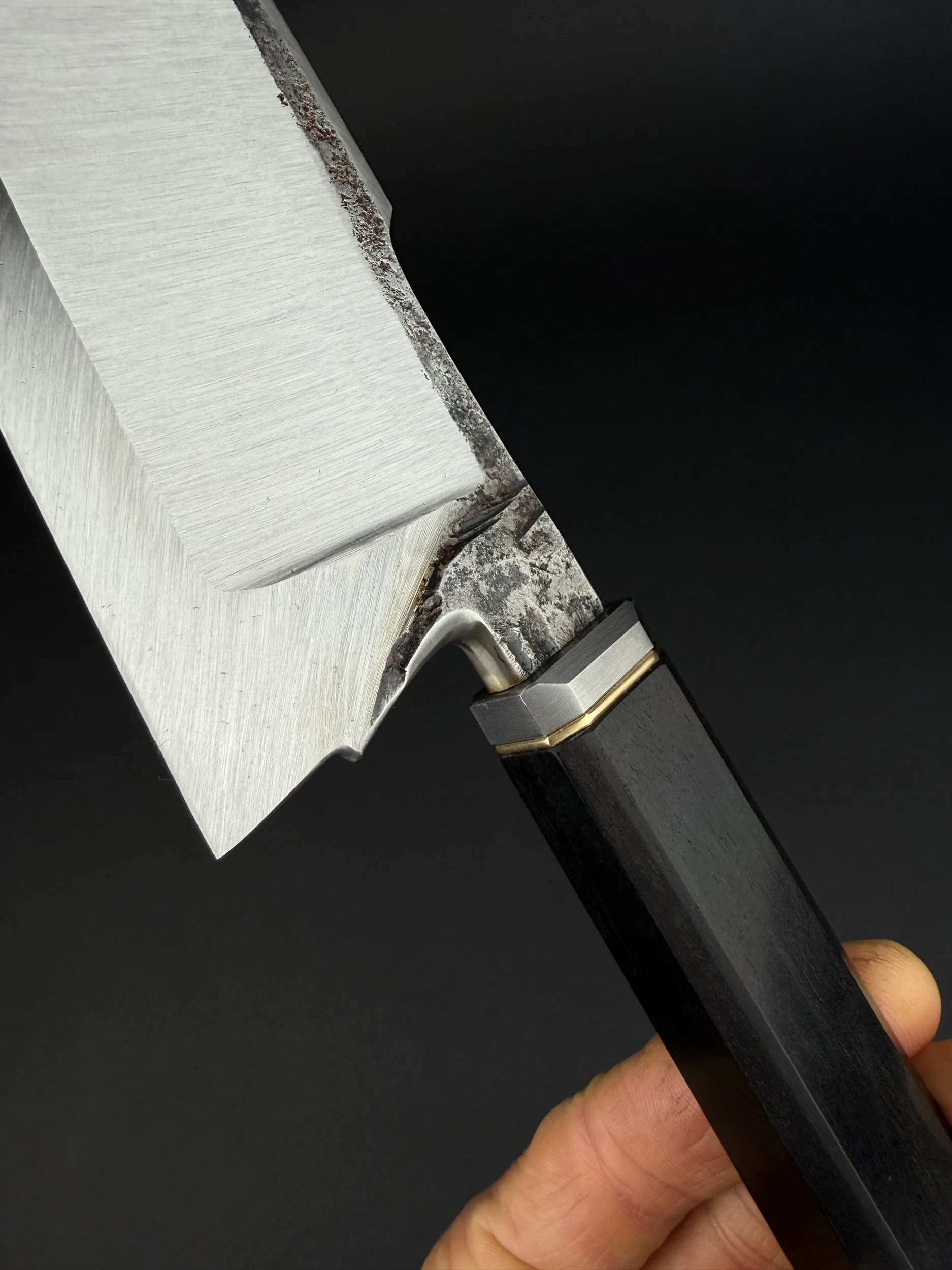
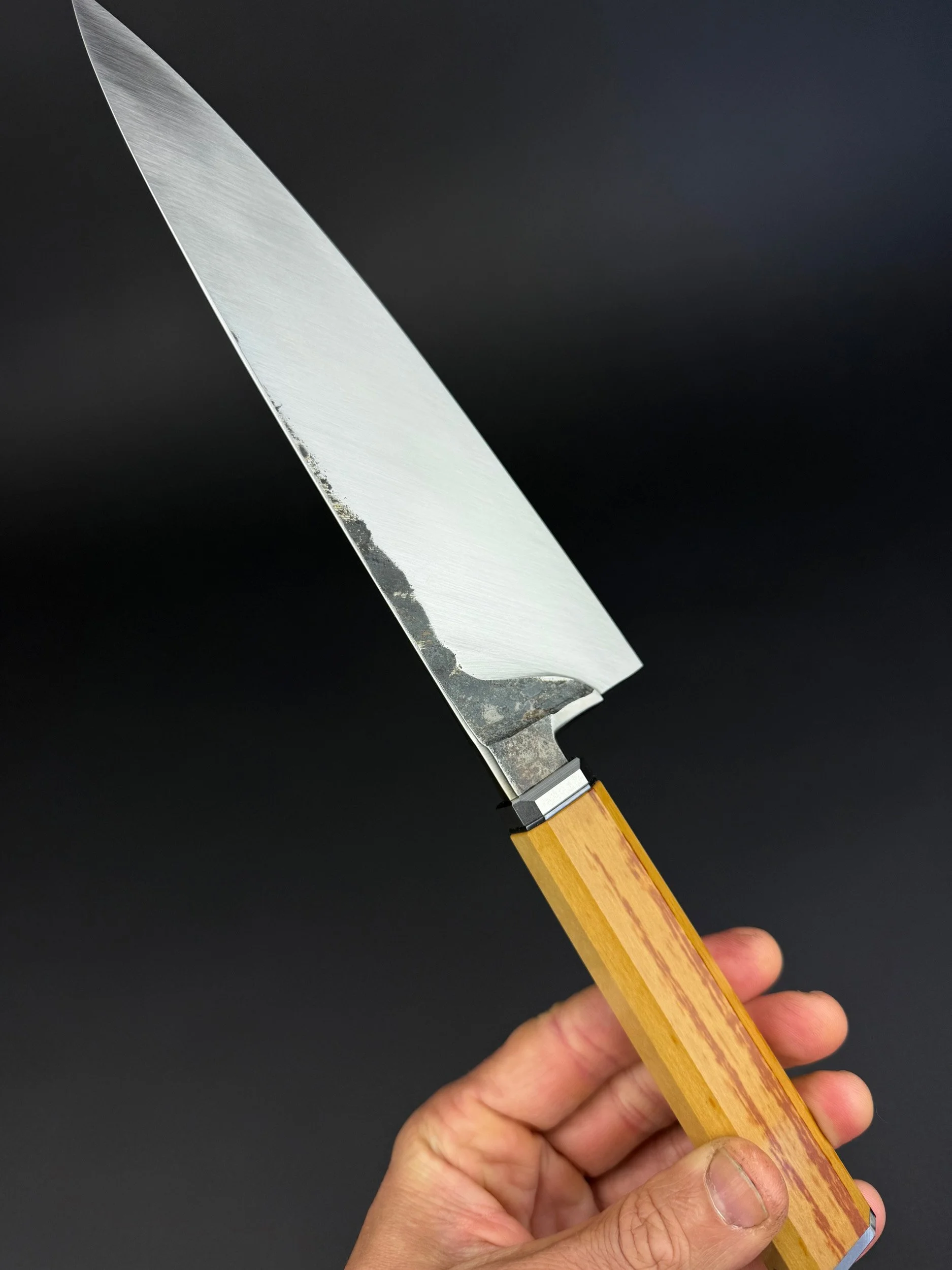
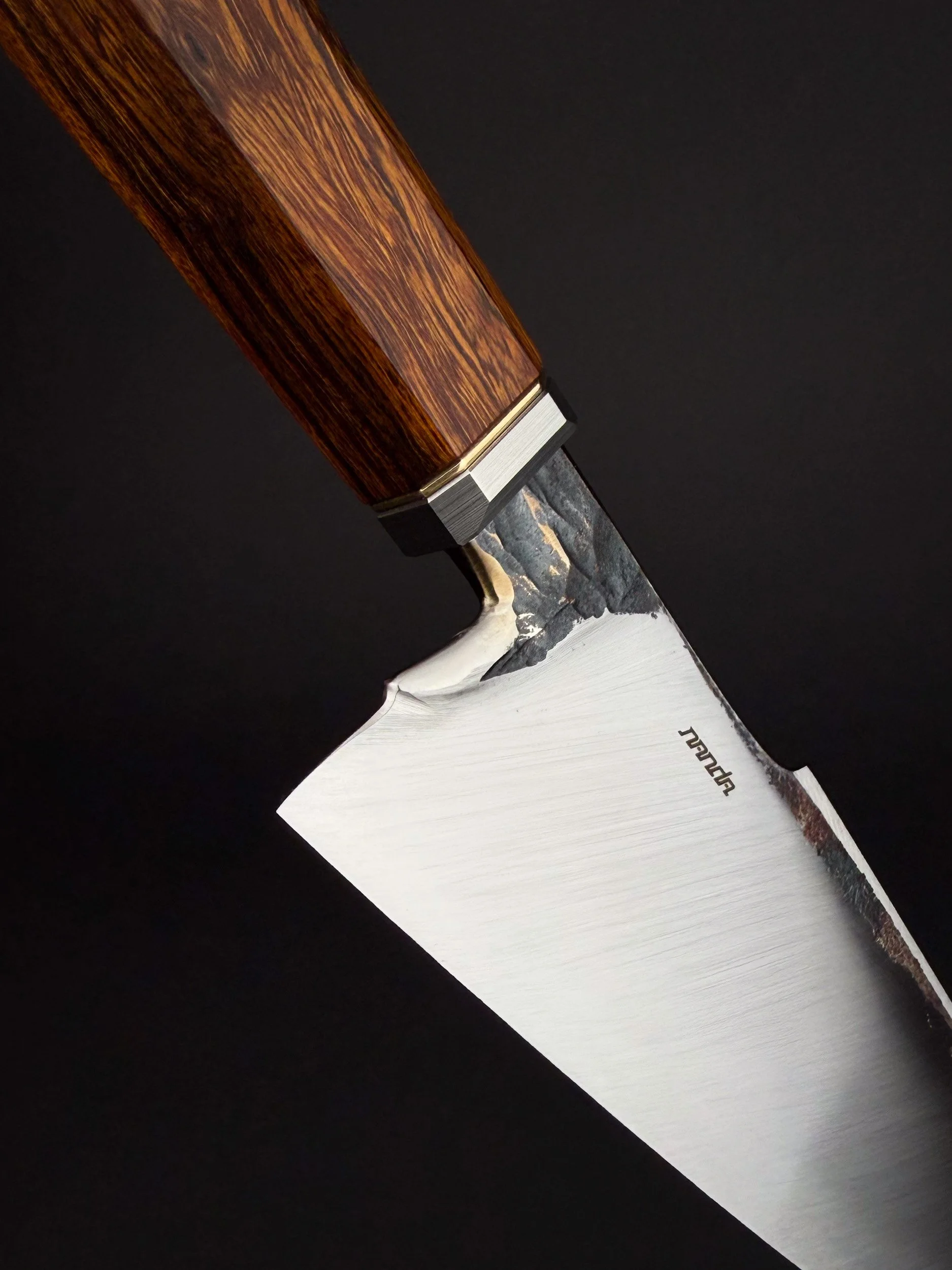
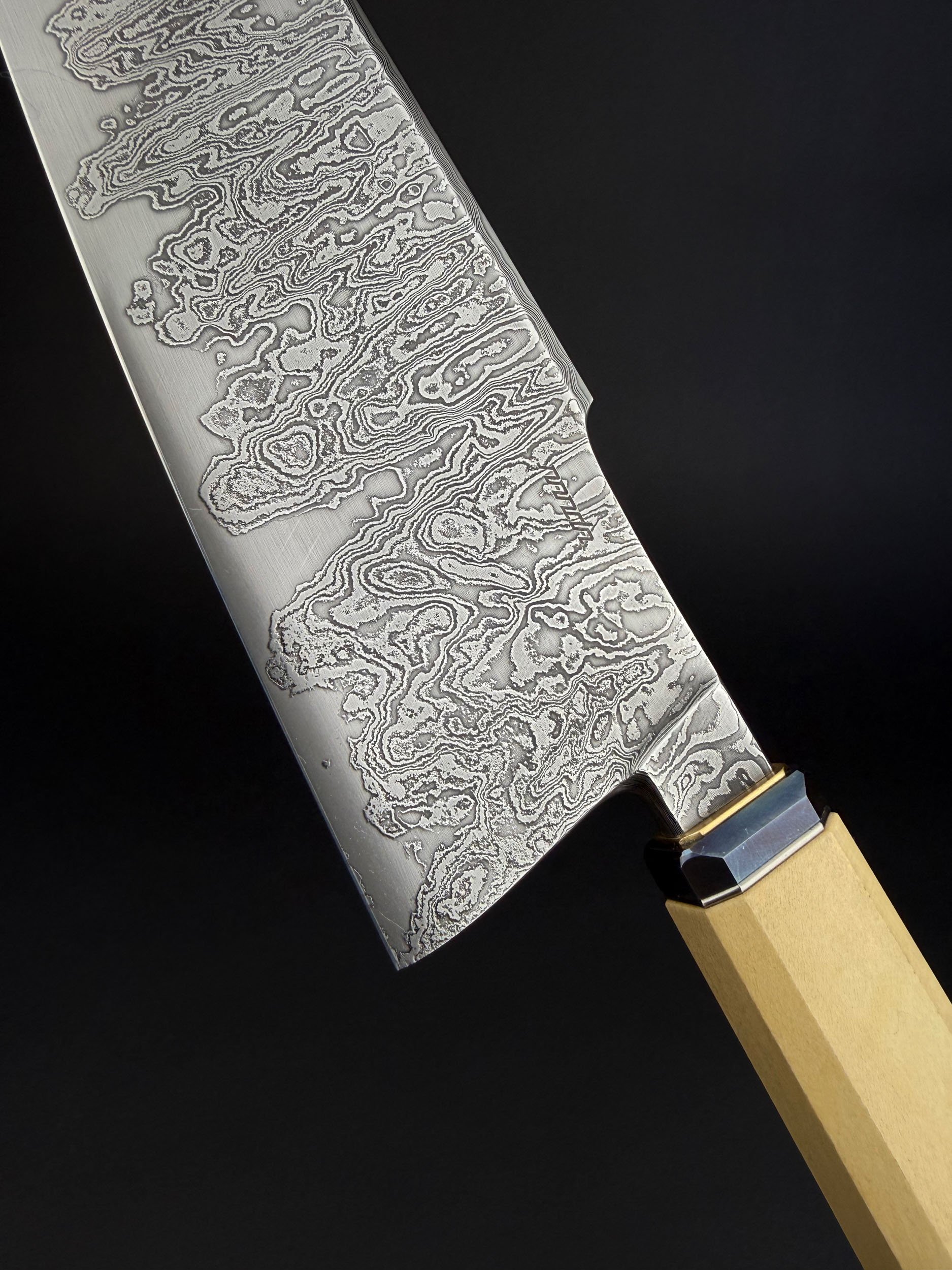
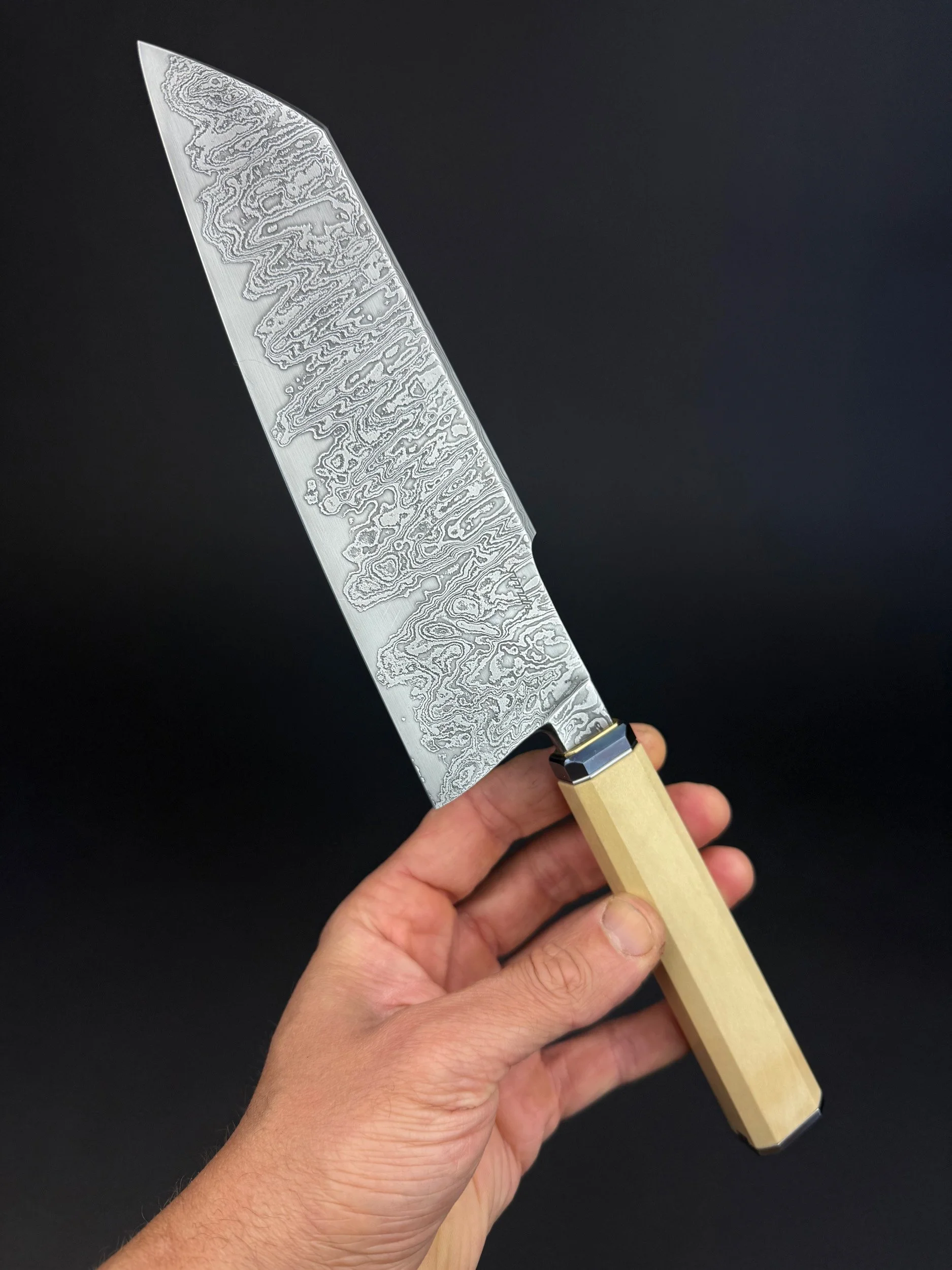
Built for professional chefs and serious home cooks, the Nanda Elemental knives are made for everyday use, at home or at work. They’re everything I’ve learned from years of obsessing over making the best knives possible, distilled to the key elements that make a high-performance knife. Each and every blade is forged and ground by hand in AEB-L stainless steel, and paired with a consistent handle design that I call my Keystone handle. You choose the shape (chef, nakiri, or santoku), the grind, and the handle material, and I make it for you.
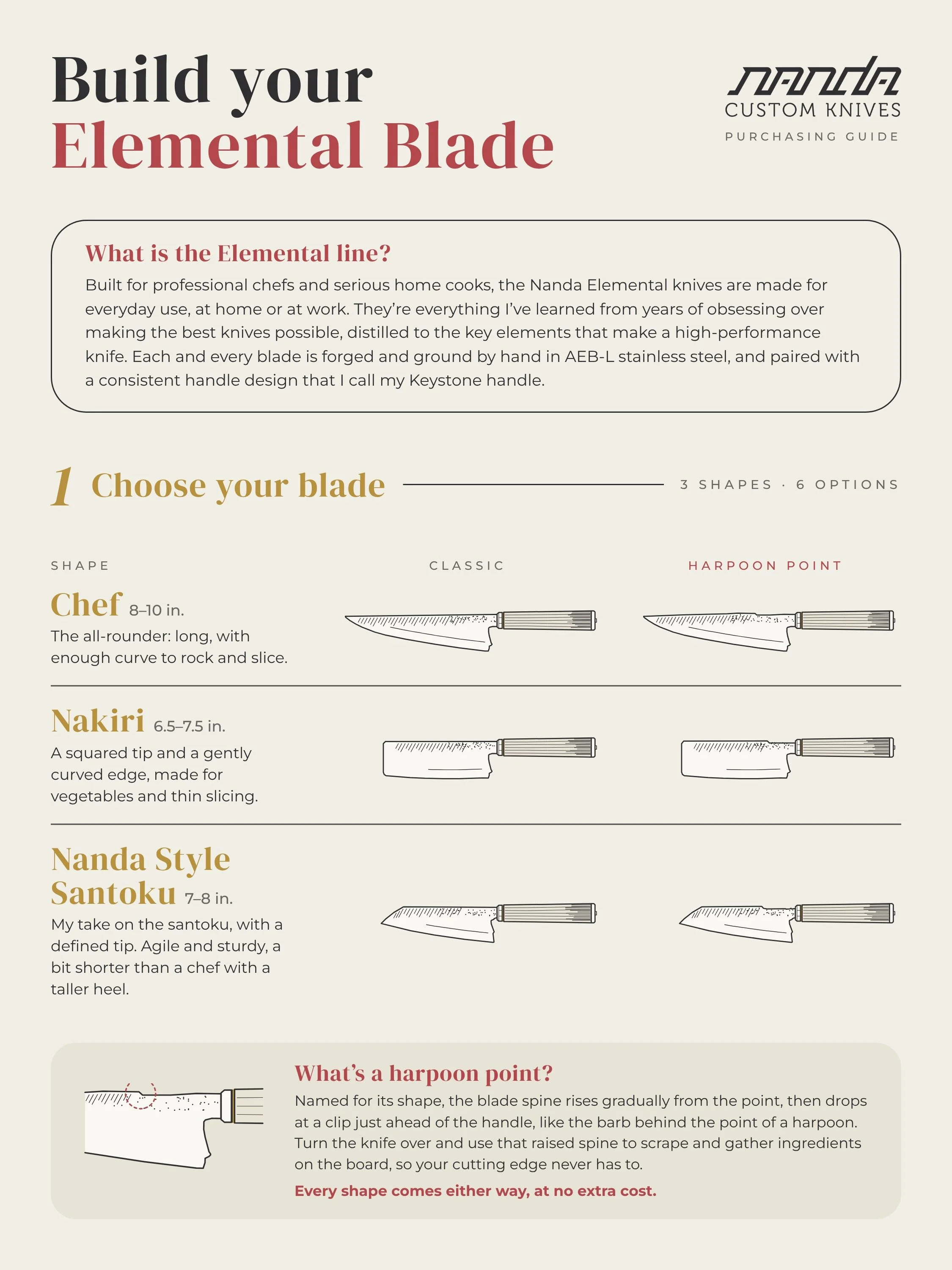
STEP 1: CHOOSE YOUR BLADE
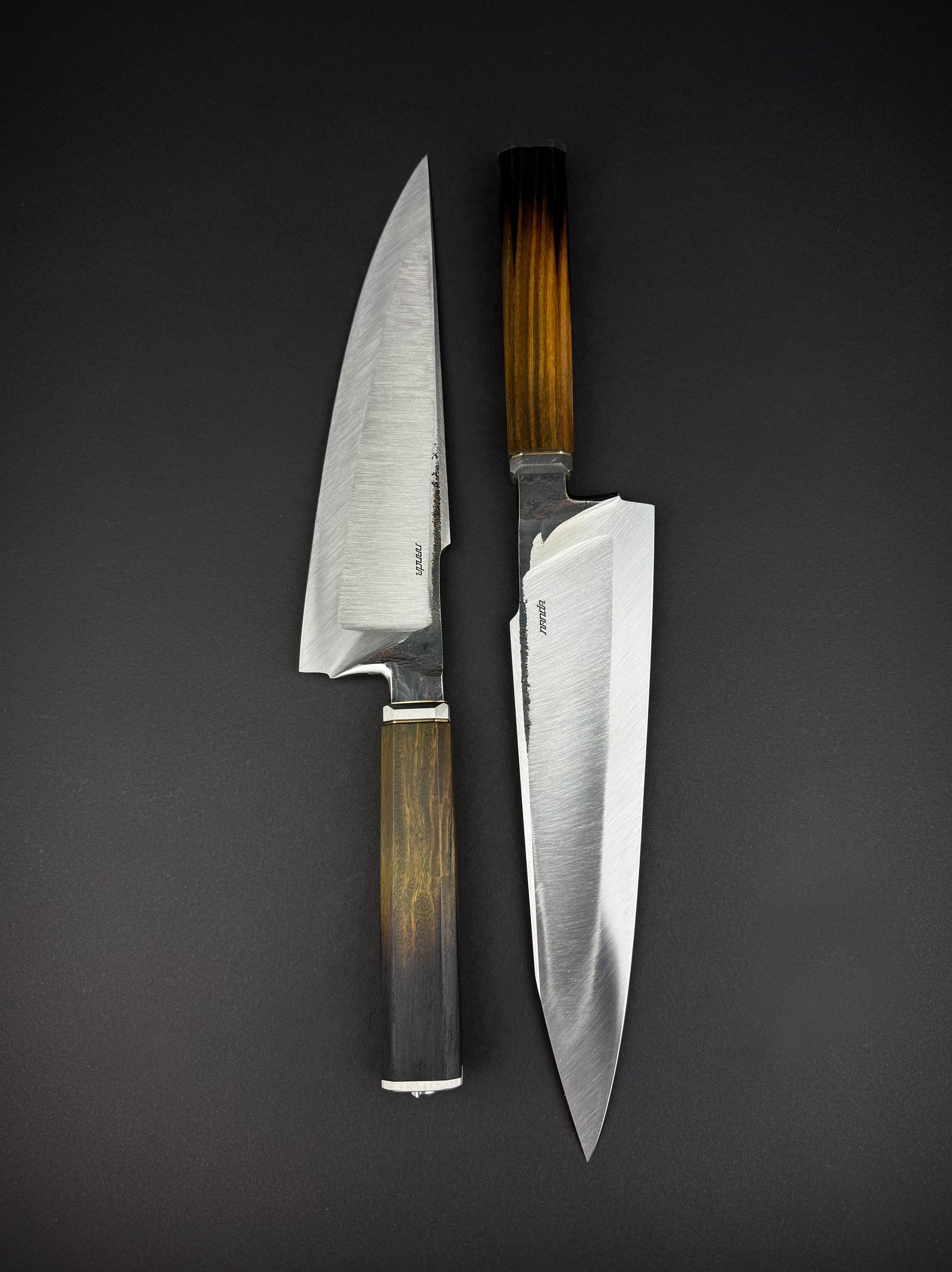
• Chef, 8–10 in. The all-rounder: long, with enough curve to rock and slice.
• Nakiri, 6.5–7.5 in. Gently curved edge, squared tip, made for vegetables and thin slicing.
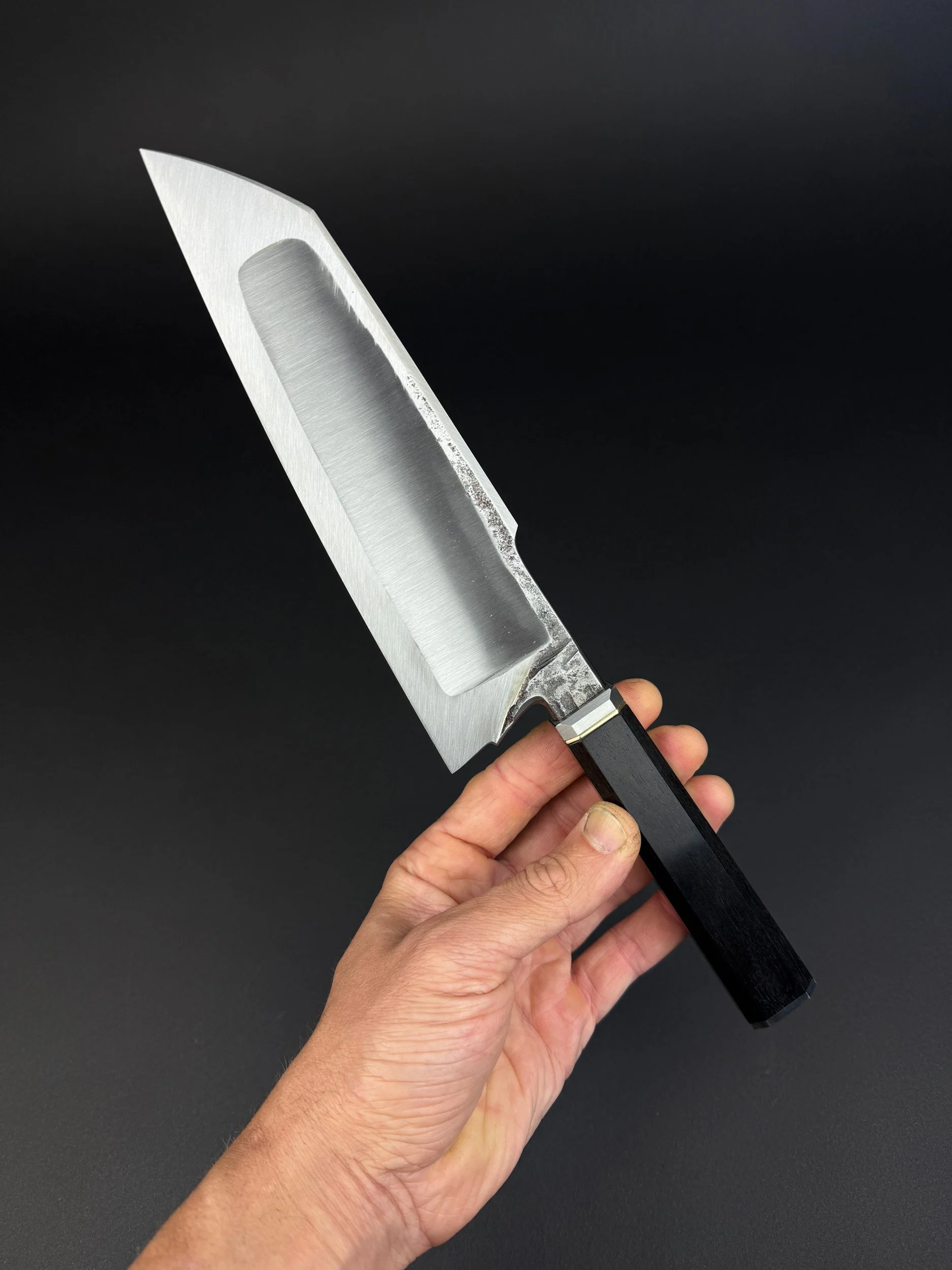
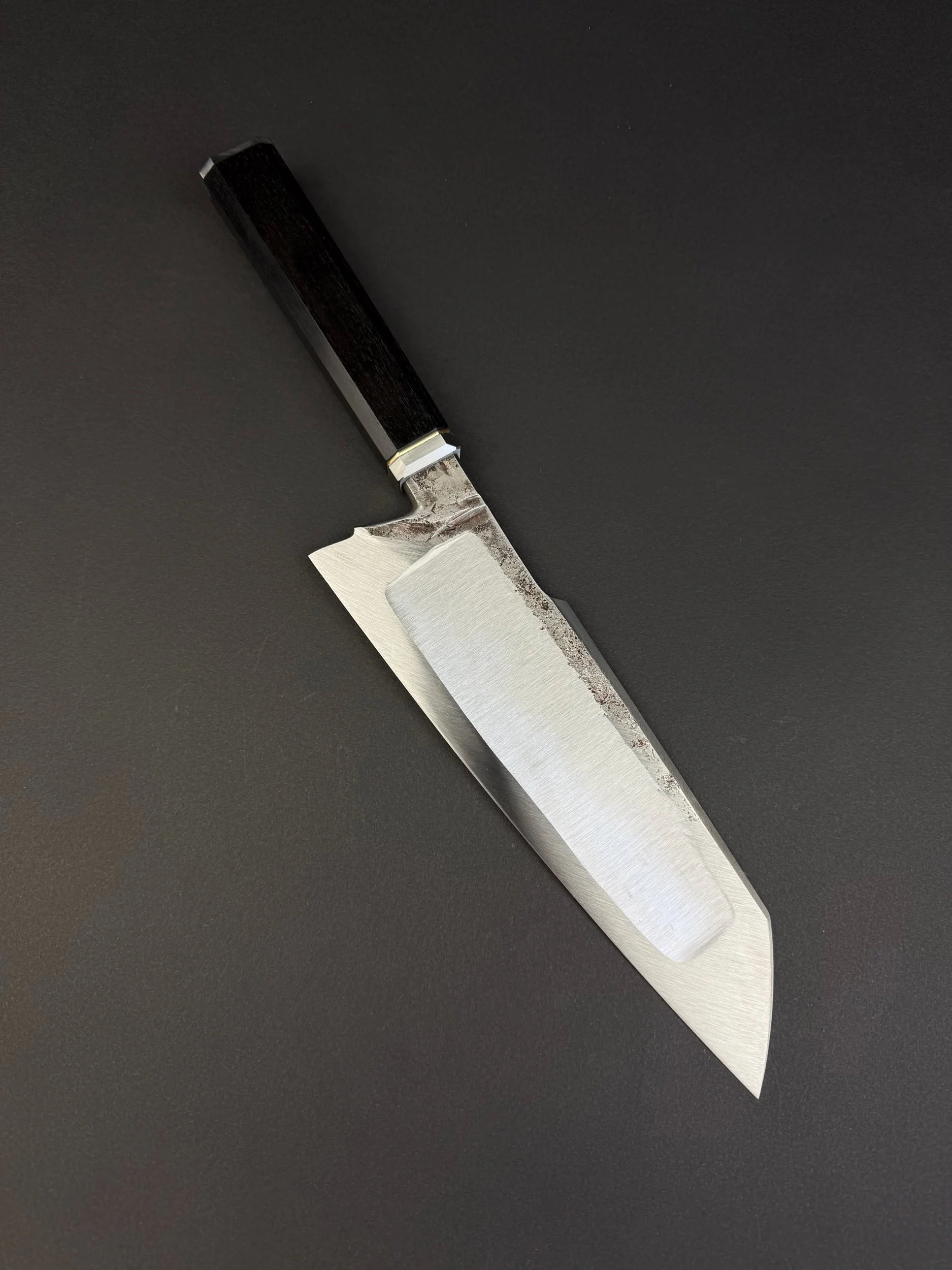
• Nanda Style Santoku, 7–8 in. My take on the santoku, with a defined tip. A customer favorite, agile and sturdy, a bit shorter than a chef with a taller heel.
Every shape comes Classic or with a Harpoon point, at no extra cost (see “What’s a harpoon point?” below).
* I’ll confirm your preferred edge length before starting your order
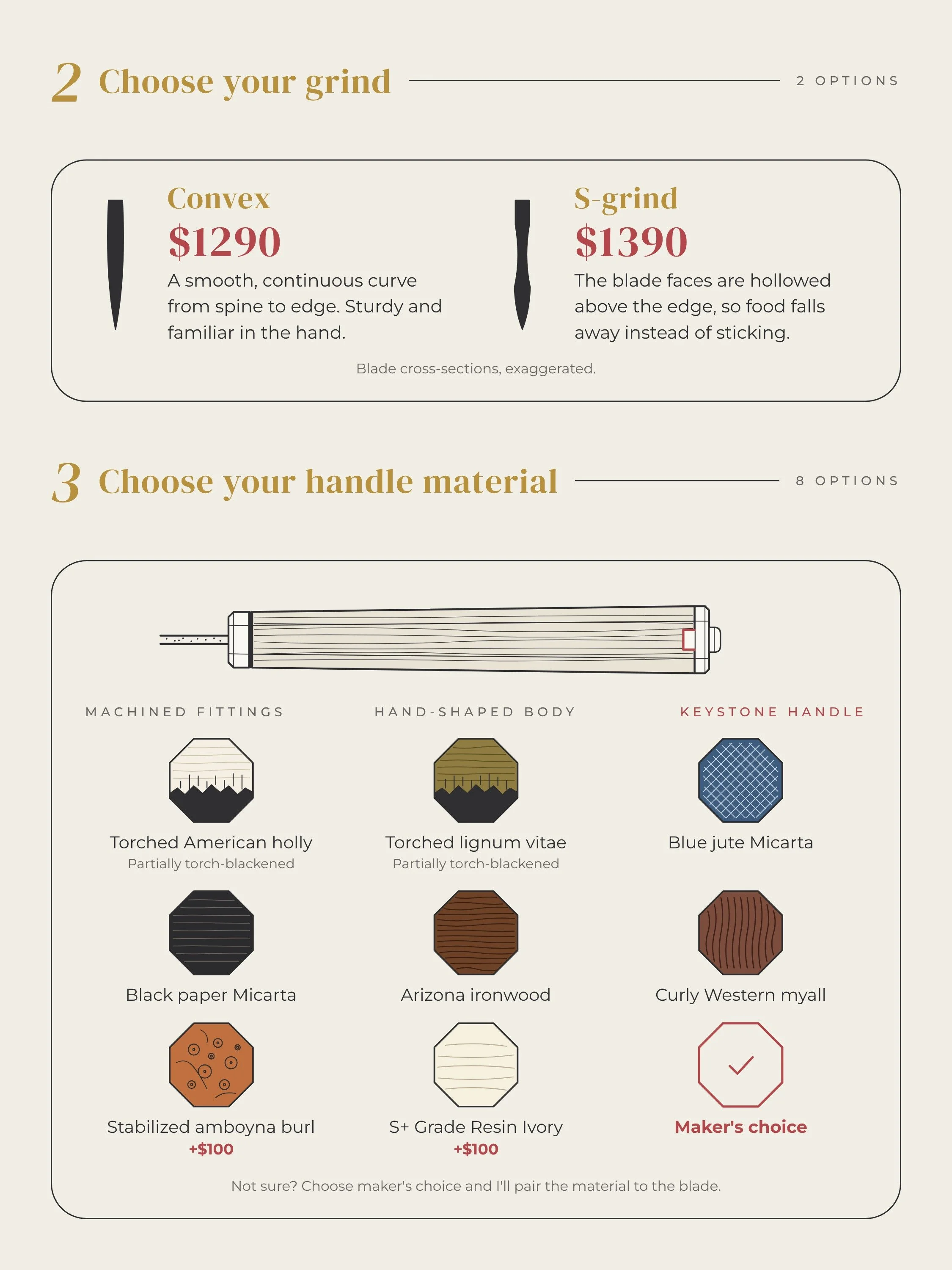
STEP 2: CHOOSE YOUR GRIND
• Convex. A smooth, continuous curve from spine to edge.
• S-grind (adds $100). The blade faces are hollowed above the edge for less friction through the cut.
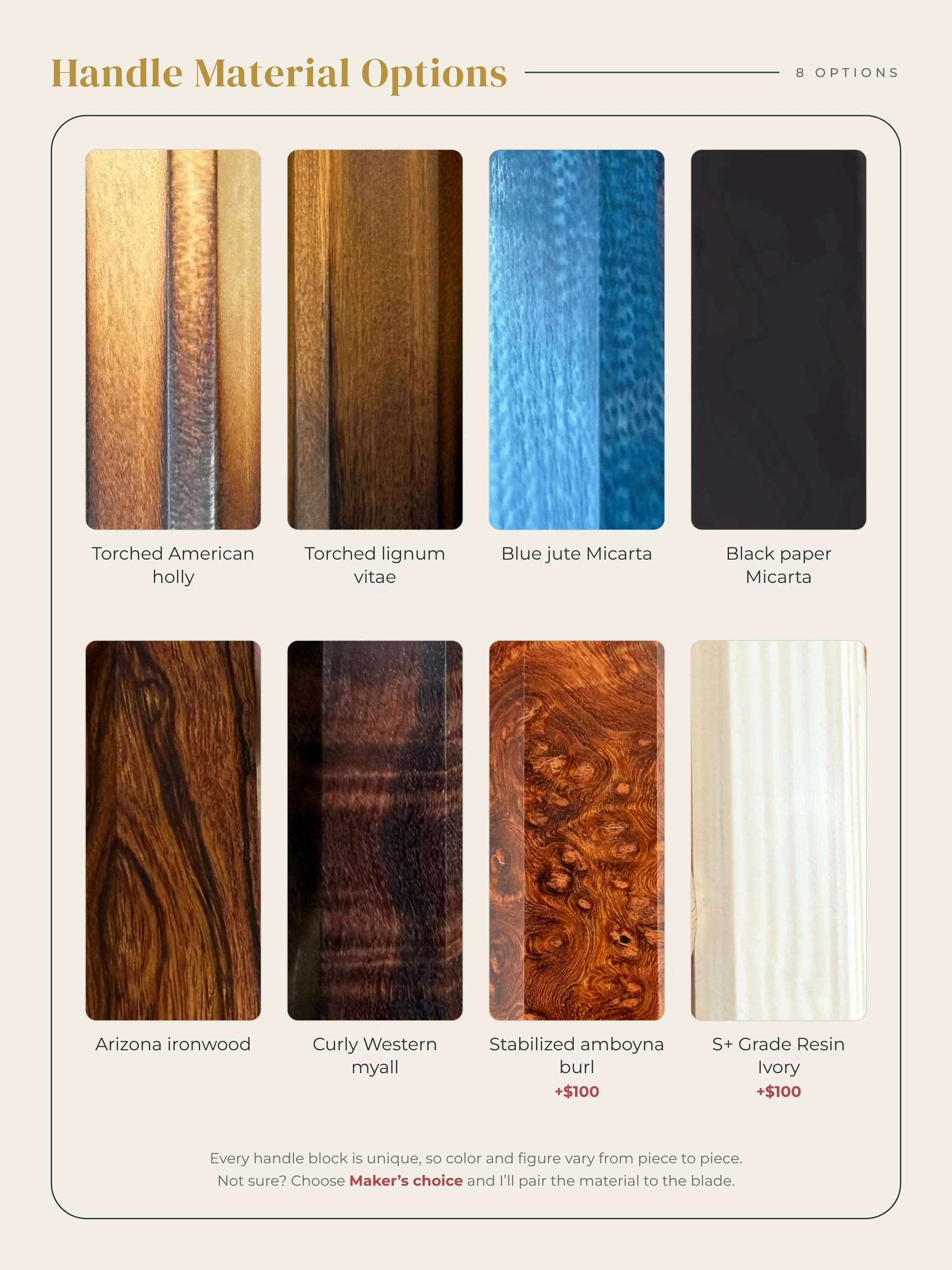
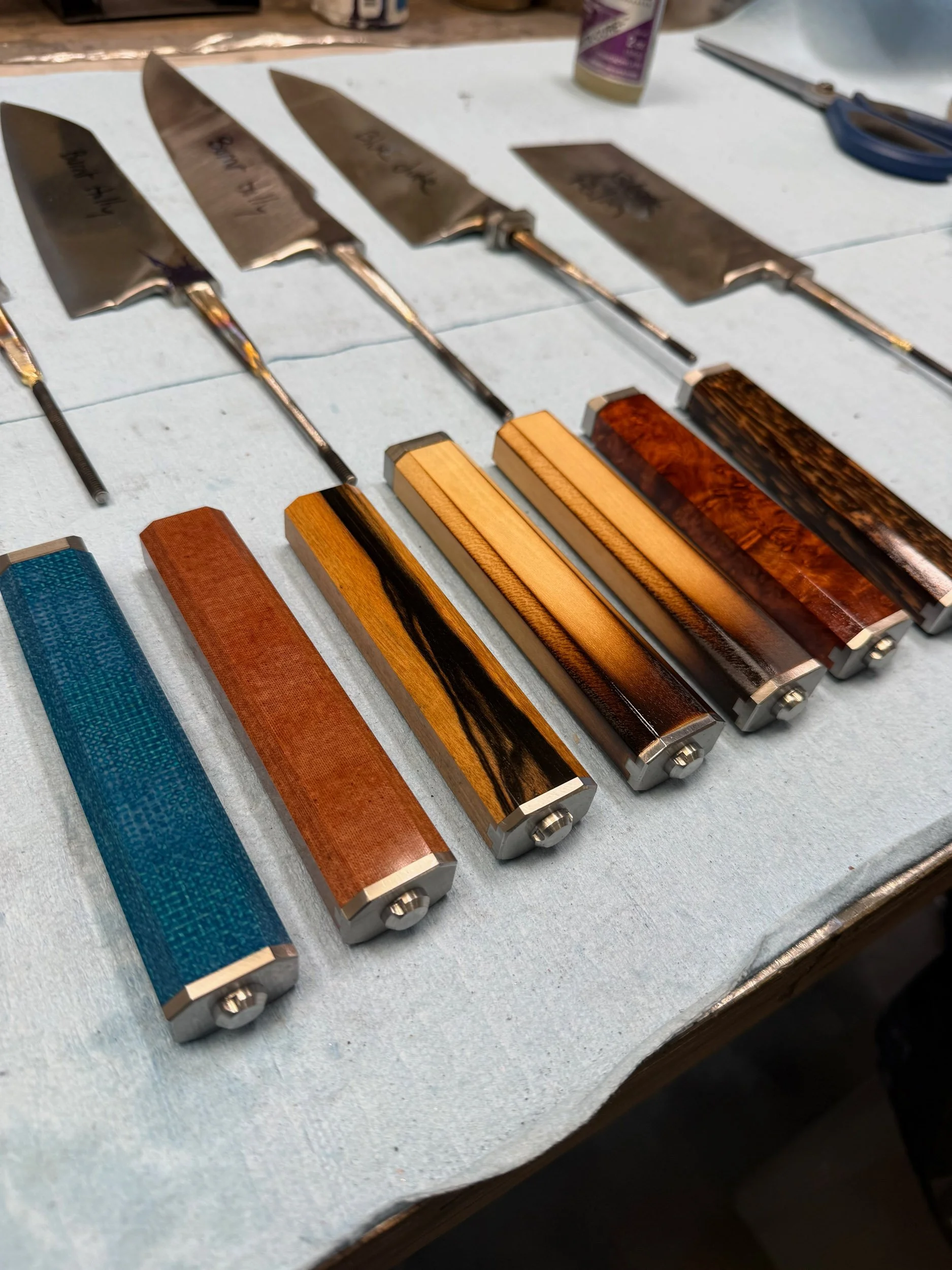
STEP 3: CHOOSE YOUR HANDLE MATERIAL
• Torched American holly
• Torched lignum vitae
• Blue Jute Micarta
• Black Paper Micarta
• Arizona Ironwood
• Curly Western Myall
• Stabilized Amboyna Burl (adds $100)
• S+ Grade Resin Ivory (adds $100)
• Maker’s Choice (I’ll pick the best match)
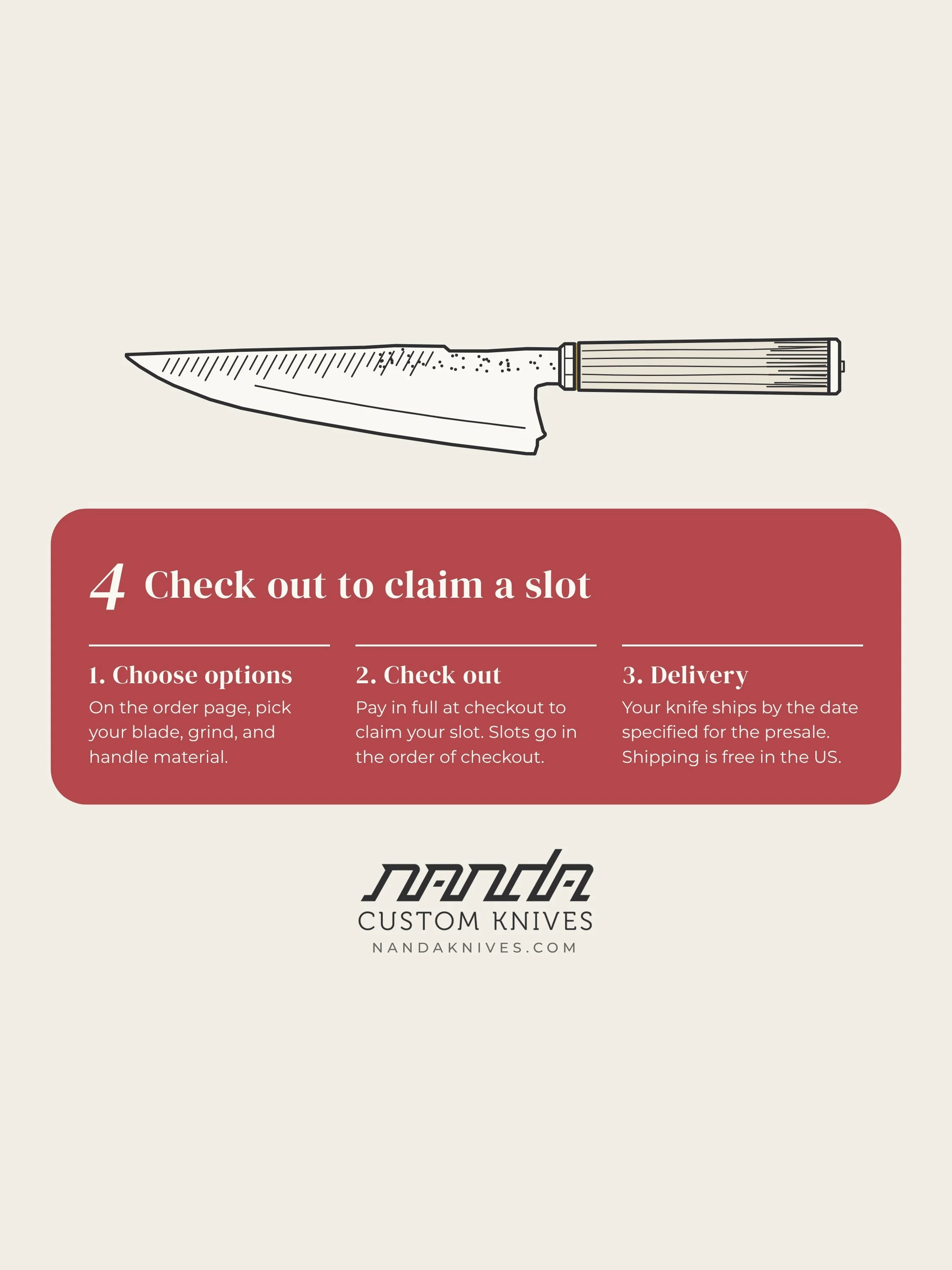
ORDERING AND DELIVERY
Payment is taken in full at checkout. Blade lengths vary slightly because each one is forged by hand. Handle materials are limited. If your choice sells out as you order, I’ll contact you to pick another option. Custom laser engraving for a name, or small graphic, are possible for an added cost. Email [email protected] after checking out about additional customization options.
—
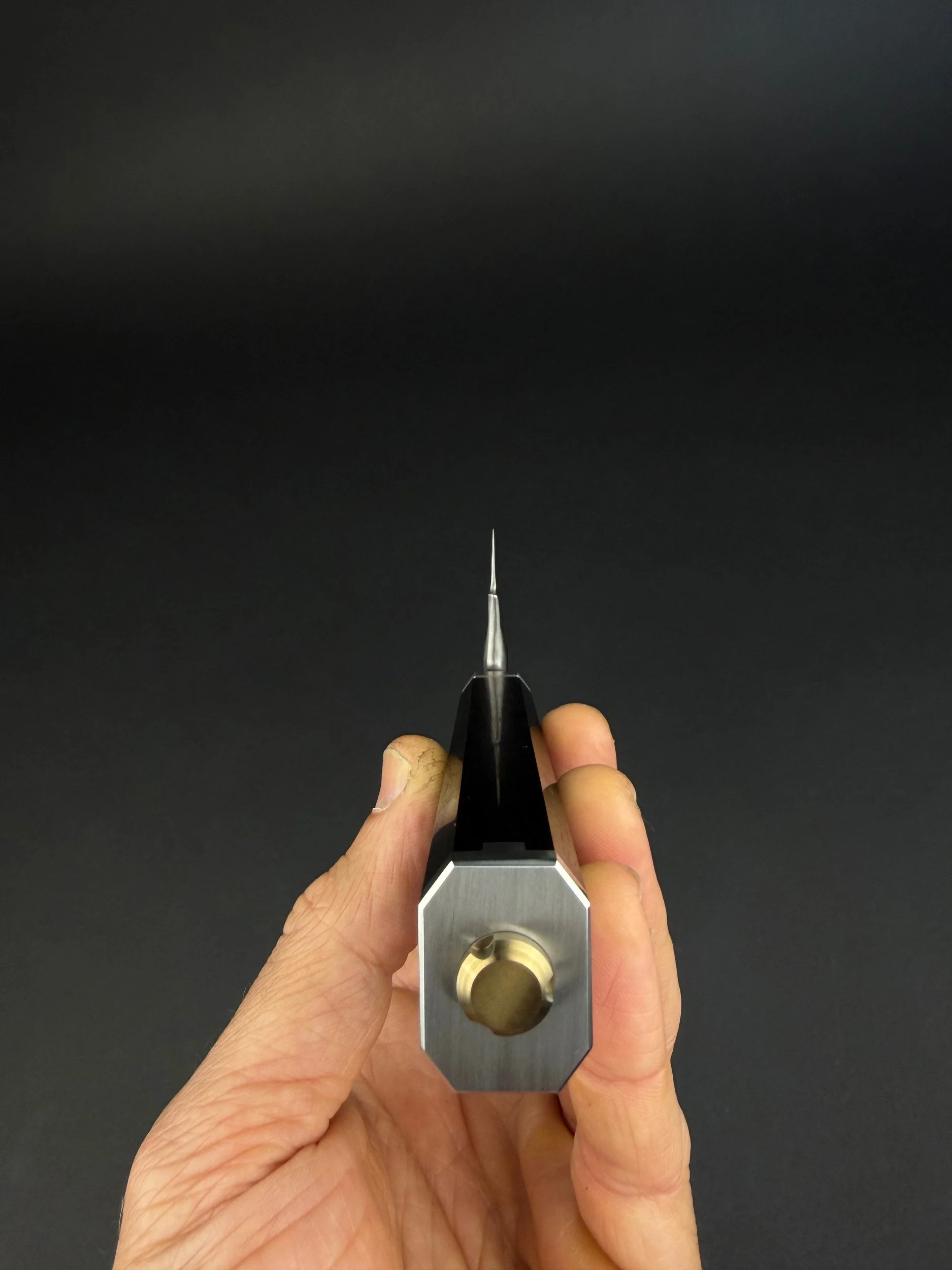
* What’s a harpoon point? Named for its shape, the blade spine rises gradually from the point, then drops at a clip just ahead of the handle, like the barb behind the point of a harpoon. Turn the knife over and use that raised spine to scrape and gather ingredients on the board, so your cutting edge never has to.